




Spearfishing Blog Draft
When most people think of spearfishing, they picture crystal-clear tropical reefs and saltwater adventures. But the truth is, you don’t have to live near the ocean to experience the excitement of underwater hunting.
All across the Midwest and other landlocked states, divers are discovering a different kind of adventure beneath the surface of lakes, reservoirs, and quarries. With the right training, equipment, and respect for local regulations, spearfishing can become an exciting way to combine scuba diving, conservation, and putting dinner on the table.
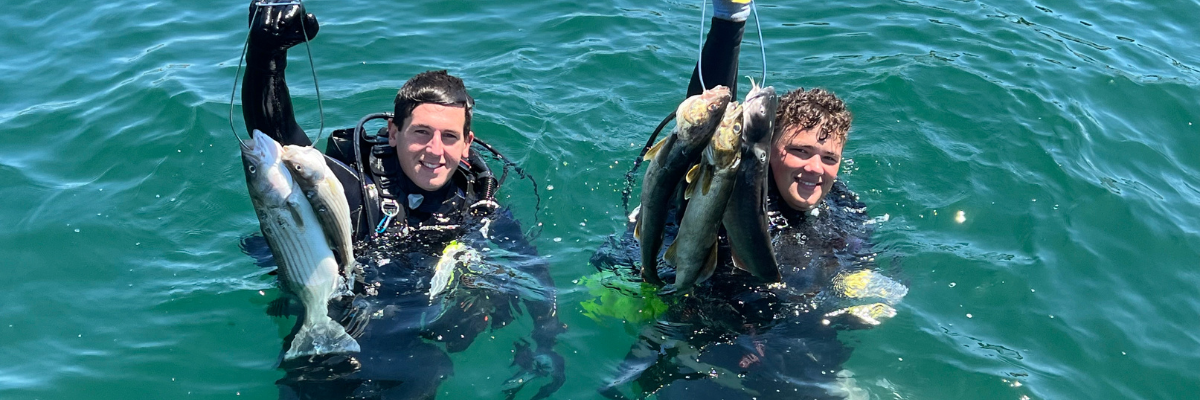
For Scott, a Dive Professional at Diventures Little Rock, spearfishing has been part of his life for as long as he can remember. His father was a scuba instructor and introduced Scott to the underwater world at an early age. At 12 years old, Scott earned his Open Water Diver certification, and by age 13, he was already spearfishing.
Today, Scott shares his passion by teaching others how to spearfish safely and responsibly while emphasizing a simple philosophy: be mindful and only hunt what you plan to eat. By doing so, you help preserve the underwater environment and respect the ecosystem that makes the sport possible.
What is Spearfishing?
If you’ve never heard of spearfishing before, you’re not alone.
Scott explains it simply:
“You get to scuba dive while carrying a speargun or a pole spear, and the hope is not to fill up a cooler full of fish. The goal is to scuba dive, explore and collect a few fish that you’re going to eat with your family and friends.”
Unlike traditional fishing, where you wait for a fish to bite your line, spearfishing is an active experience. Divers search underwater for legal species, carefully select their target and make one precise shot. That selectivity is one of the things Scott loves most about the sport. Instead of catching fish unintentionally, divers choose exactly what they’re harvesting.
Who Should Try Spearfishing?
Spearfishing isn’t only for experienced hunters or lifelong divers. Scott recommends it to divers who already enjoy hunting on land and are looking for a new challenge.
“When you take clients that already have a hunting background and they want to learn something new and exciting, being able to marry those two together is something that greatly attracts them.”
Even if you’ve never hunted before, spearfishing offers another way to enjoy your dives by combining exploration, skill and conservation.
Spearfishing Safety & Training Course
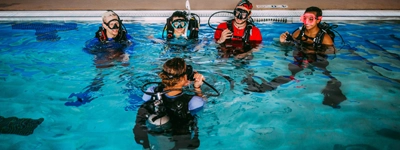
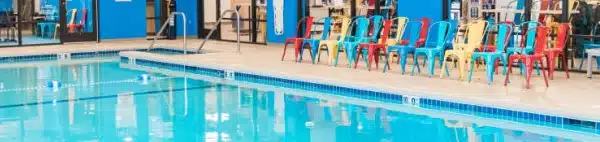
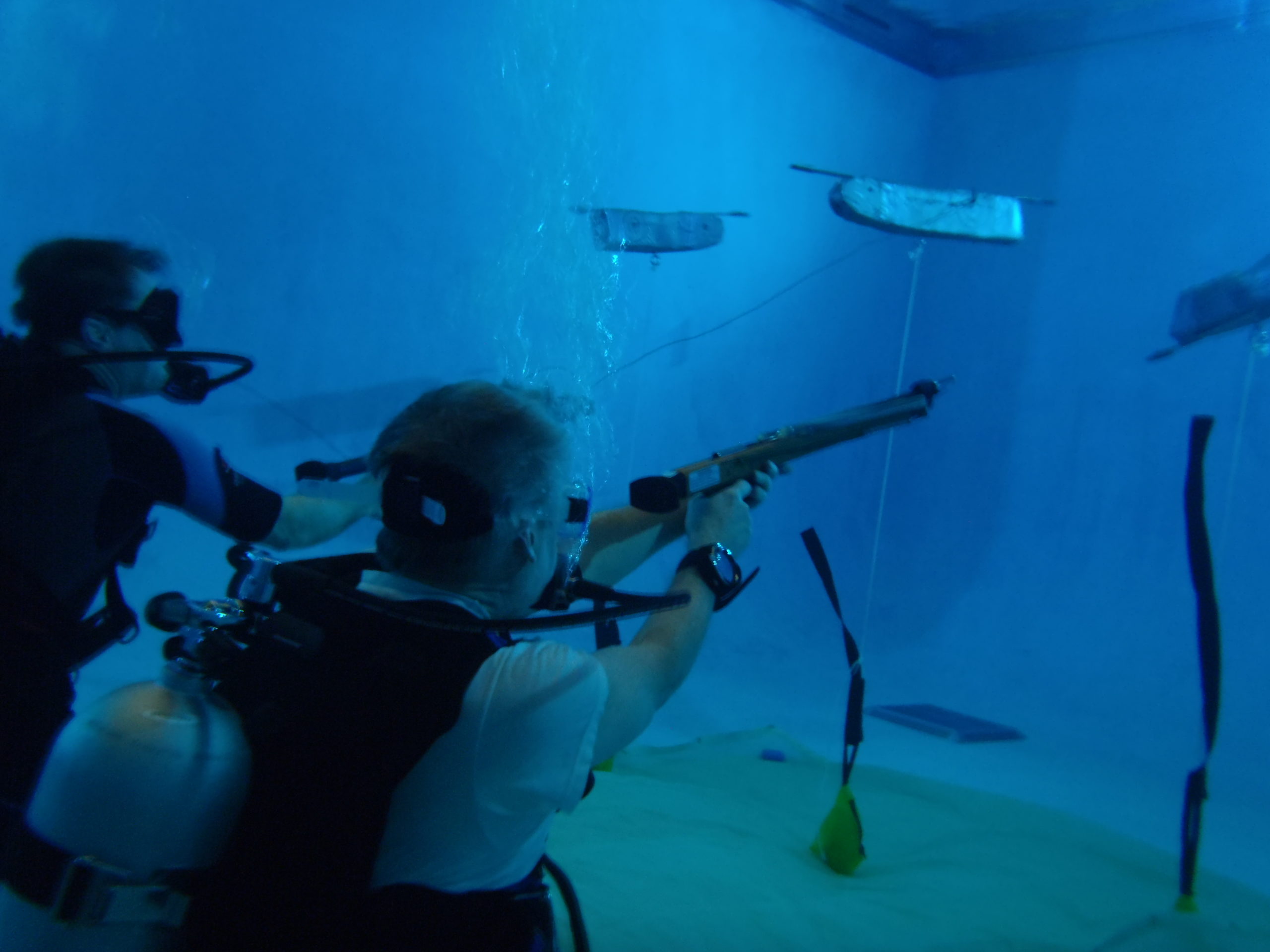
Learn the etiquette and ethics of spearfishing, safety procedures, and how to select, use, and maintain spearfishing equipment. The class also covers underwater hunting techniques and includes an academic review, pool session, and training dives.
Whether you’re an experienced hunter looking to take your skills below the surface or are completely new to hunting, this course provides a safe foundation while emphasizing responsible hunting and environmental stewardship.
Spearfishing Equipment
Along with your standard scuba equipment, every spearfisher should carry a few additional pieces of gear to stay safe and prepared underwater. Essential spearfishing equipment includes a speargun or polespear, the appropriate spear shafts or tips, and a float with a diver-down flag to help increase your visibility to nearby boaters.
Most new spearfishers choose between two primary options: a speargun or a polespear. Each offers unique advantages depending on your experience level, hunting style, and the type of fish you’re targeting. If you’re unsure which is right for you, the Diventures retail team can help you select the best option for your needs.
Safety is always a priority when spearfishing. That’s why Scott never enters the water without three essential pieces of safety equipment:
These items can help you free yourself from entanglements, navigate changing conditions, and stay aware of your surroundings while underwater, making every dive safer and more enjoyable.
Finding Places to Spearfish
Every state has different regulations regarding scuba diving, spearfishing, seasons and legal species. Before entering the water to hunt, always:
- Verify that scuba diving is permitted.
- Confirm spearfishing is allowed.
- Purchase any required fishing licenses.
- Check species regulations, seasons and bag limits.
- Review any local restrictions for the lake or waterway.
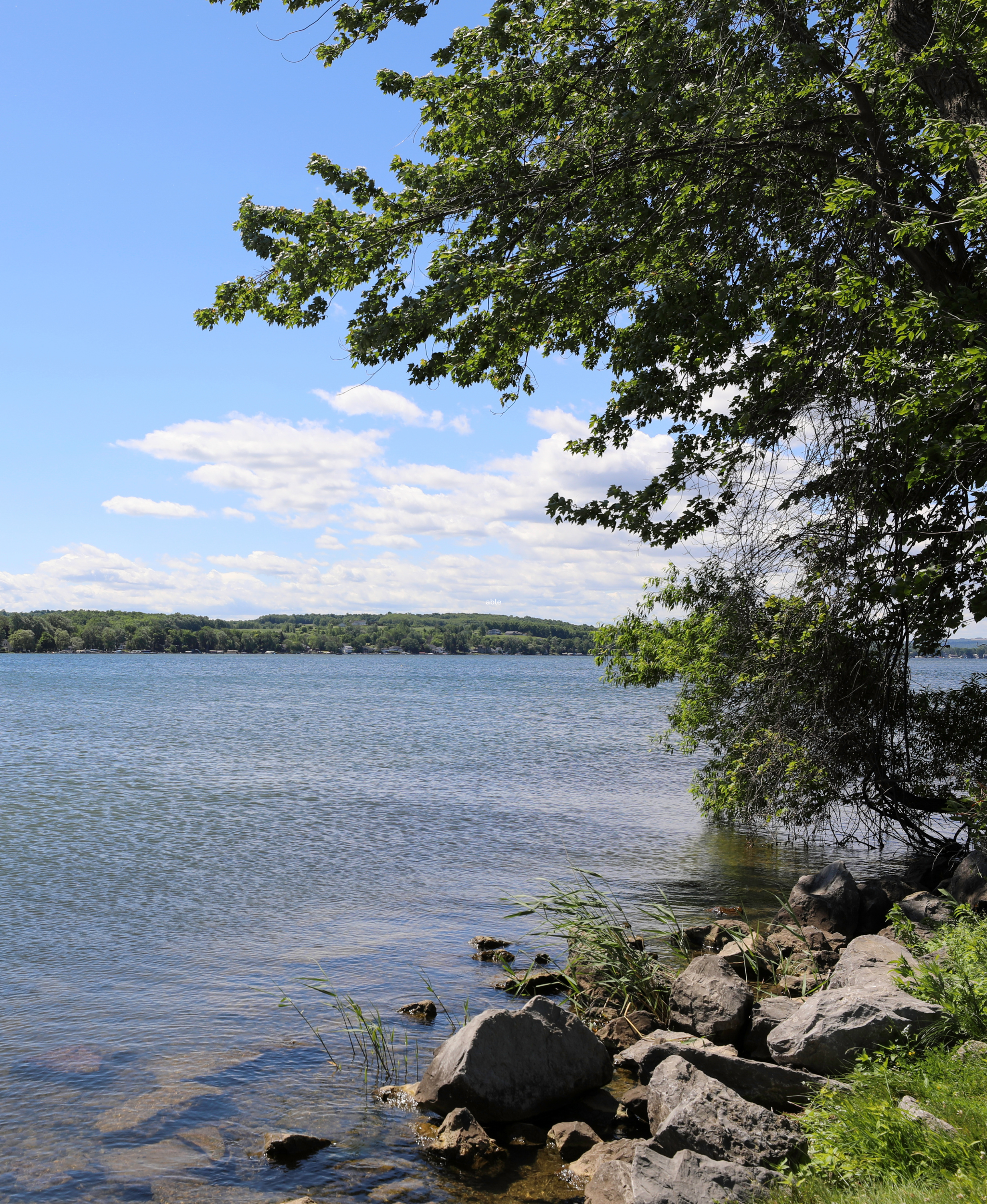
Scott recommends looking for lakes with underwater structure such as rocky points, ledges and fish habitat. Many state wildlife agencies even create fish habitats by sinking natural materials to provide shelter for fish populations.
Conservation
If there’s one message Scott hopes every new spearfisher remembers, it’s this:
“It’s in everybody’s best interest to preserve our resources.”
Even species that aren’t considered game fish still play an important role in maintaining healthy ecosystems. Responsible spearfishing means harvesting only what you’ll eat, following regulations and never wasting wildlife. For Scott, that’s one of the most rewarding parts of the sport.
“I love fish. Going out, harvesting a couple of fish and knowing I’m going to eat those for dinner—that’s very rewarding. But I’m just as passionate about teaching people how to do it properly so we’re preserving the resources we have instead of wasting fish.”
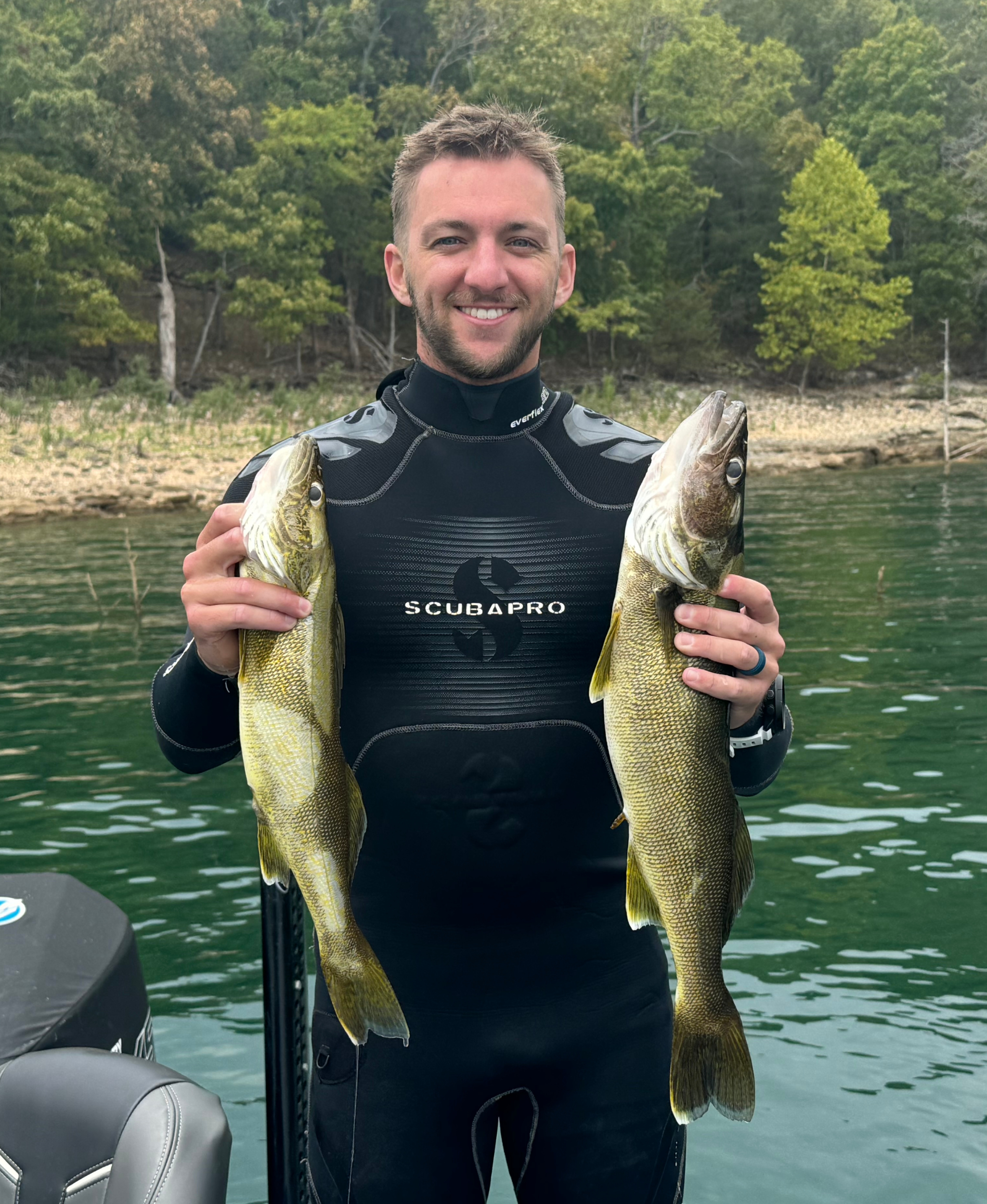
His favorite? Walleye.
Specialty Courses To Prepare
If you arent quite ready to dive into spearfishing, that’s okay. Scott recommends building your underwater skills with a few specialty courses. While these courses arent prerequisites for the Spearfishing course, they are highly recommended to help build your foundation first.
Perfect Buoyancy
“Perfect Buoyancy would be extremely helpful for a whole lot of people because the bottom is covered in dirt. The more you stir it up, the less you’re going to be able to see.”
Good buoyancy helps protect aquatic habitats while maintaining better visibility throughout your dive.
Navigation
Limited visibility is common in many freshwater lakes.
Scott teaches reciprocal headings along with square, rectangle and triangle search patterns so divers always know where they’re going—even when visibility drops.
Limited Visibility
Freshwater diving often means adapting to changing conditions. Learning how to communicate, stay with your buddy and navigate safely in lower visibility can make every spearfishing trip safer and more enjoyable.
Freshwater Ecology
Before taking any shot, it’s important to know exactly what species you’re looking at.
Understanding freshwater ecosystems helps divers identify legal game fish while appreciating the role every species plays in maintaining healthy lakes.
Start Your Spearfishing Journey
If spearfishing sparks your interest, then stop into your nearest Diventures to chat with our team and view equipment. You can enroll in the course online, in-store or over the phone.
