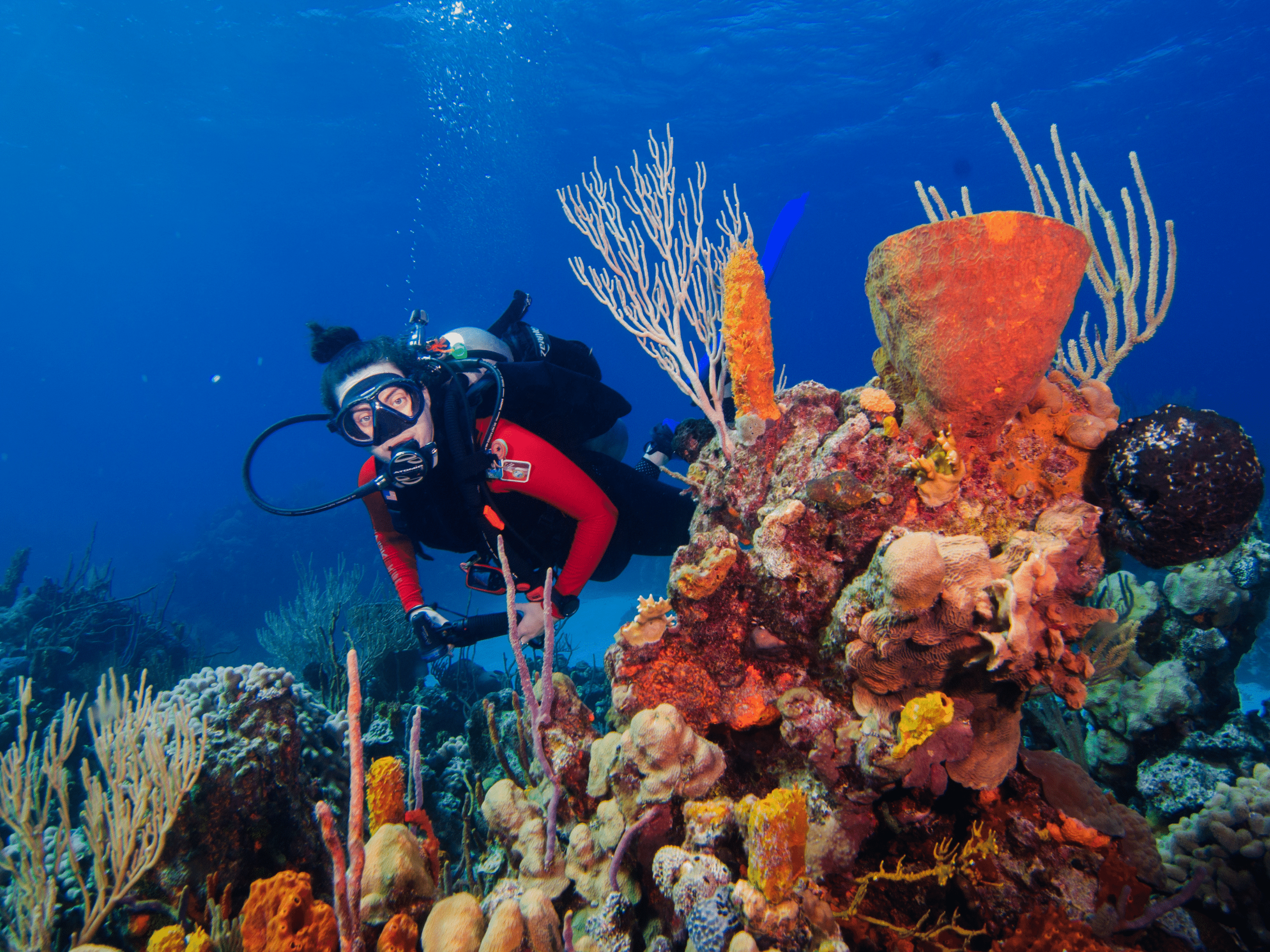







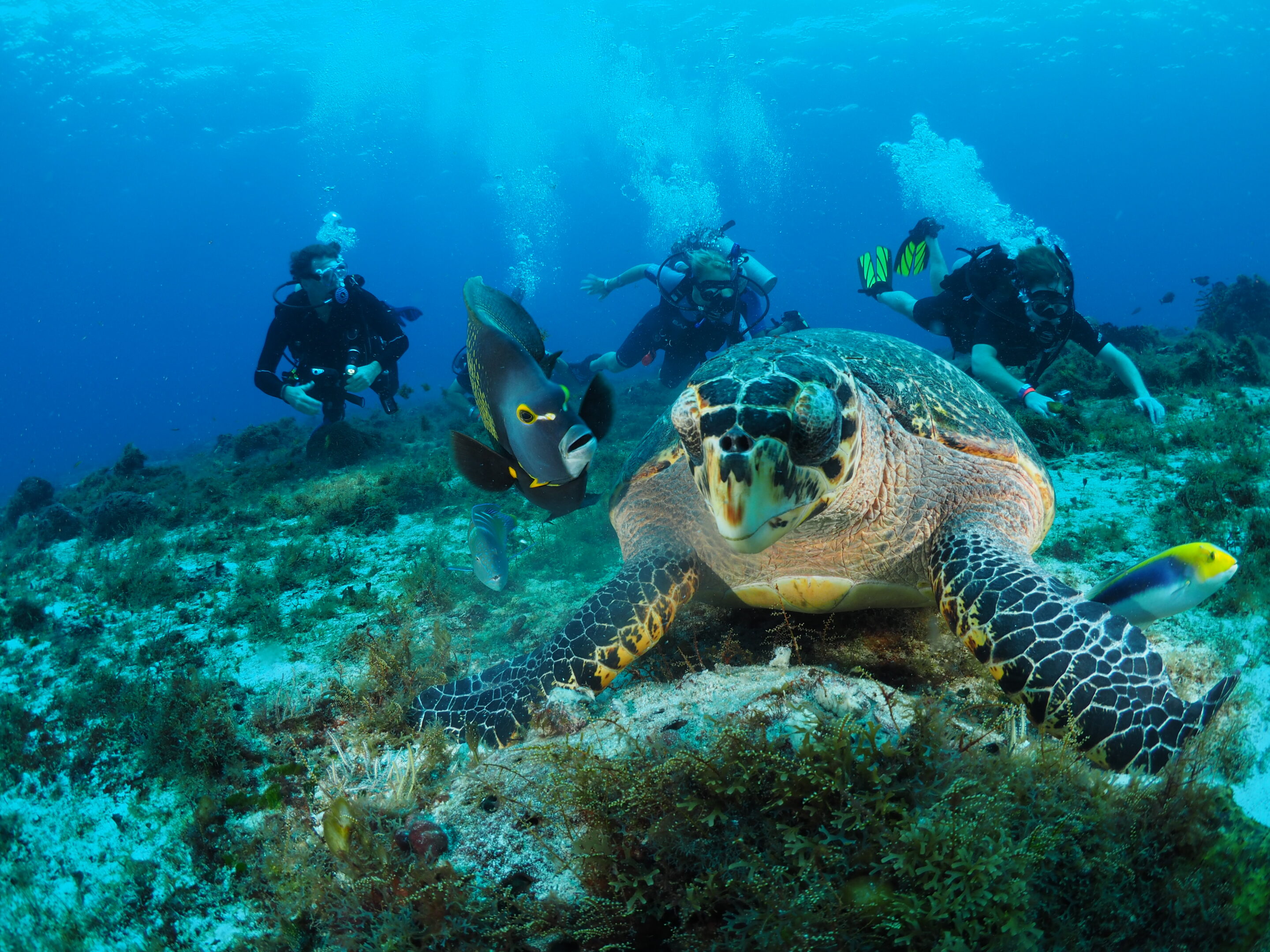
The Caribbean is one of the world’s premier diving destinations. Warm water, excellent visibility, and easy access from North America make it a favorite for divers.
The Caribbean is appealing due to its variety. One destination may be known for dramatic wall dives and shark encounters, while another offers colorful coral gardens, shore diving, or historic wrecks. Whether you’re planning your first certification vacation or searching for your next adventure, there’s a Caribbean destination for you.
To put together this list, we looked at the things that matter most: healthy reefs, abundant marine life, variety of dive sites, water clarity, ease of access, overall value, and options for different skill levels. The destinations below consistently rank among the best Caribbean islands for scuba diving and offer unforgettable underwater experiences year-round.
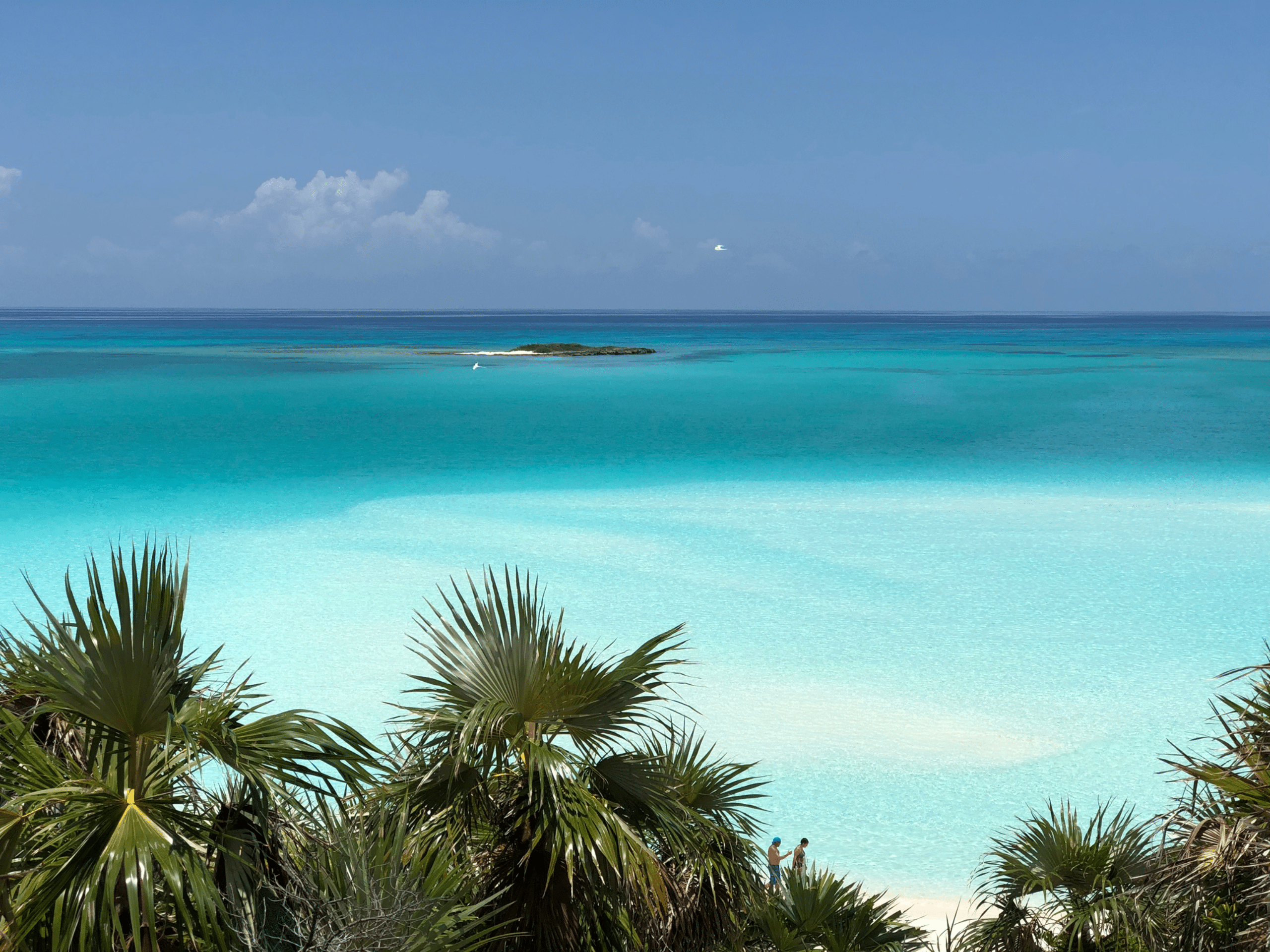
Bahamas
When divers ask, “Where is the best diving in the Caribbean?” the Bahamas is almost always part of the conversation. Spread across more than 700 islands, the Bahamas offers a diving experience that never feels repetitive. Shark encounters, blue holes, wrecks, and vibrant coral reefs combine to create one of the Caribbean’s most diverse underwater environments.
Quick Facts
- Best For: Beginners to advanced divers, shark diving, wreck diving, and liveaboards
- Top Dive Sites: Tiger Beach, Lost Blue Hole, Exuma Cays, Washing Machine and Blackbeard’s Sea Explorer Area
- Water Temp: 74–86°F (23–30°C)
- Water Visibility: 60–150+ feet
- Best Months to Go: December–May
- Skill Level: All levels
- What You’ll See: Reef sharks, tiger sharks, Caribbean reef fish, sea turtles, blue holes, walls, coral reefs, and wrecks
Belize
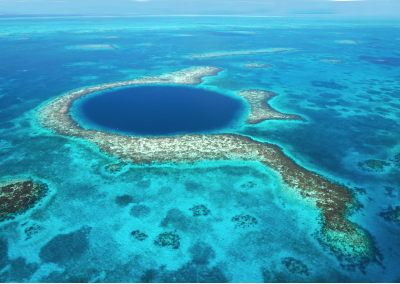
Belize stands out as one of the best diving spots in the Caribbean, thanks to its stretch of the Mesoamerican Barrier Reef — the second-largest barrier reef system in the world. With vibrant coral reefs, wall dives, abundant marine life and a diverse underwater ecosystem, it delivers unforgettable dives. Calm conditions and excellent visibility also make Belize ideal for learning to dive in the Caribbean. It’s no surprise Diventures visits often and recommends it to divers of all experience levels.
Quick Facts
- Best For: Reef diving, marine life encounters, and underwater photography
- Top Dive Sites: Great Blue Hole, Half Moon Caye Wall, Turneffe Atoll, Lighthouse Reef, and The Aquarium
- Water Temp: 78–84°F
- Water Visibility: 60–130 feet
- Best Months to Go: April–June
- Skill Level: Beginner to advanced
- What You’ll See: Eagle rays, reef sharks, groupers, sea turtles, healthy coral reefs, walls, and sponges
Bonaire
Bonaire is home to some of the best shore diving in the Caribbean. With more than 80 marked shore dive sites, easily identified by iconic yellow rocks alongside the road, divers can explore healthy reefs and abundant marine life at their own pace. Calm conditions and easy access make it a great destination for beginners, while experienced divers appreciate the flexibility and variety of Bonaire’s diving. Diventures recommends Bonaire to travelers seeking a relaxed, dive-focused vacation.
Quick Facts
- Best For: Shore diving and land excursions
- Top Dive Sites: Salt Pier, Hilma Hooker, 1000 Steps, Karpata, and Bari Reef
- Water Temp: 80–85°F (27–29°C)
- Water Visibility: 80–120 feet
- Best Months to Go: Year-Round
- Skill Level: Beginner to advanced
- What You’ll See: Seahorses, frogfish, sea turtles, reef fish, coral gardens, and wrecks

Cayman Islands
Grand Cayman, Cayman Brac, and Little Cayman offer everything from dramatic walls and wrecks to pristine reefs and exceptional marine life. Clear water, healthy reefs, and dive sites for every skill level make the Caymans one of the Caribbean’s top diving destinations.
Quick Facts
- Best For: All experience levels, wall diving, and underwater photography
- Top Dive Sites: Bloody Bay Wall, Stingray City, USS Kittiwake, Babylon, and MV Captain Keith Tibbetts
- Water Temp: 78–86°F
- Water Visibility: 80–150 feet
- Best Months to Go: March–June
- Skill Level: All levels
- What You’ll See: Sea turtles, eagle rays, reef sharks, tarpon, walls, coral gardens, and wrecks
Cozumel, Mexico
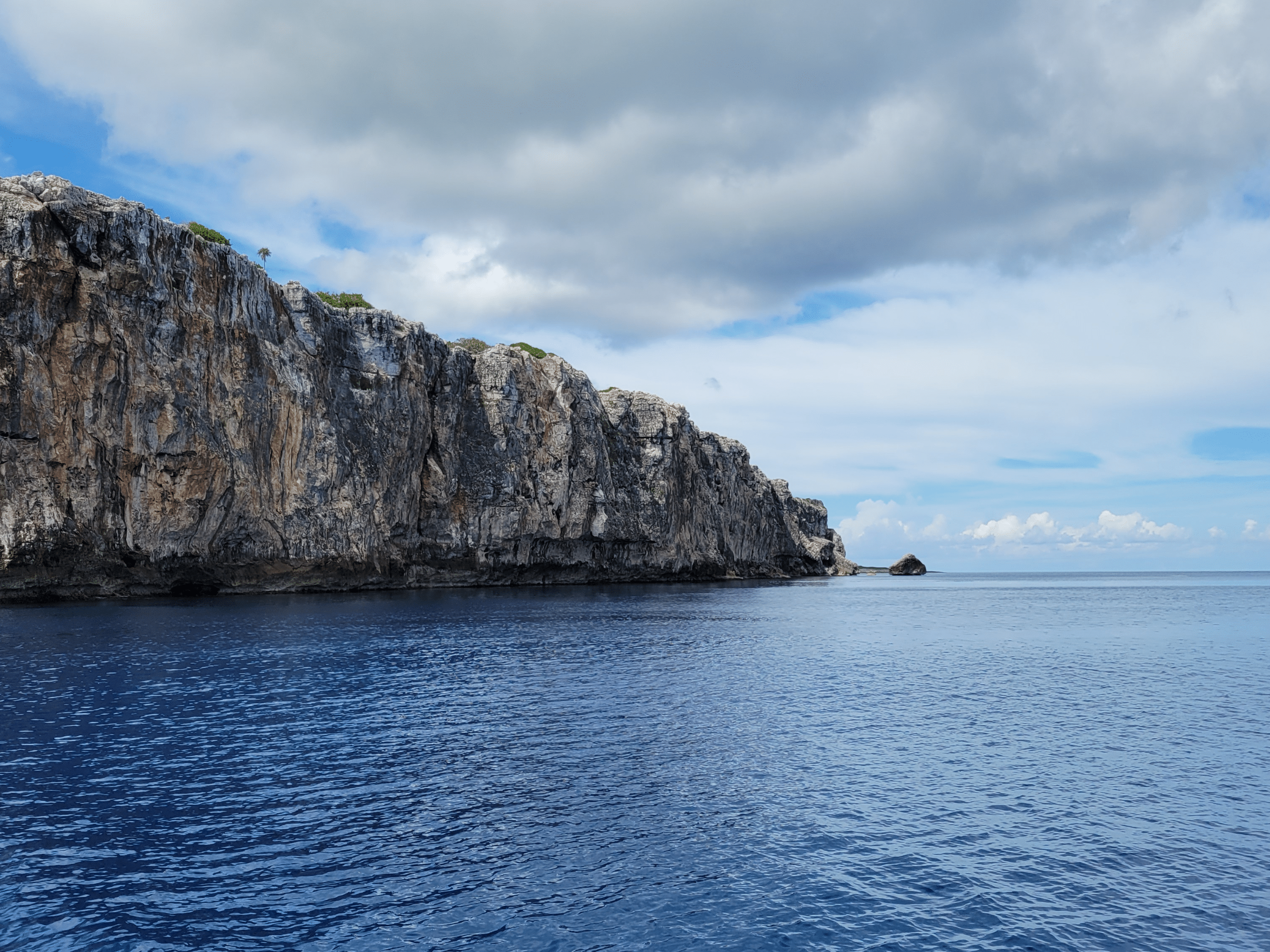
Drift diving is what puts Cozumel on the map. Set along the Mesoamerican Reef System, the island offers colorful reefs, abundant marine life, and clear water. As Diventures Dive Professional, Ethan Reynolds, explained, “The drift diving here is world class. In many instances, you can experience multiple dive sites every time you drop.”
Cozumel is a go-to destination divers seeking exceptional drift diving and for new divers completing certification vacations.
Quick Facts
- Best For: Drift diving, certification vacations, and cenote diving
- Top Dive Sites: Palancar Reef, Santa Rosa Wall, Columbia Reef, Punta Sur, and Paradise Reef
- Water Temp: 78–84°F
- Water Visibility: 80–150 feet
- Best Months to Go: November–May
- Skill Level: Beginner to advanced
- What You’ll See: Sea turtles, nurse sharks, eagle rays, coral pinnacles, walls, and reef fish
Curaçao
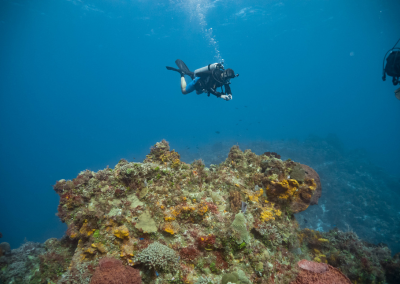
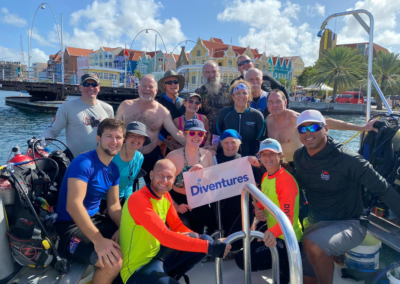
Curaçao combines excellent shore diving, healthy reefs, and abundant marine life, making it one of the best Caribbean islands for scuba diving. Easy access, calm conditions, and a variety of dive sites attract divers of all experience levels, while the island’s commitment to reef conservation helps protect its underwater beauty. Above the surface, the Island’s Dutch colonial architecture and blend of Caribbean and European influences make it a great place to explore.
Quick Facts
- Best For: Shore diving, reef conservation, and underwater photography
- Top Dive Sites: Mushroom Forest, Superior Producer, Tugboat, Blue Room, and Playa Kalki
- Water Temp: 78–84°F
- Water Visibility: 60–100 feet
- Best Months to Go: Year-Round
- Skill Level: Beginner to advanced
- What You’ll See: Sea turtles, frogfish, and coral gardens
Dominica
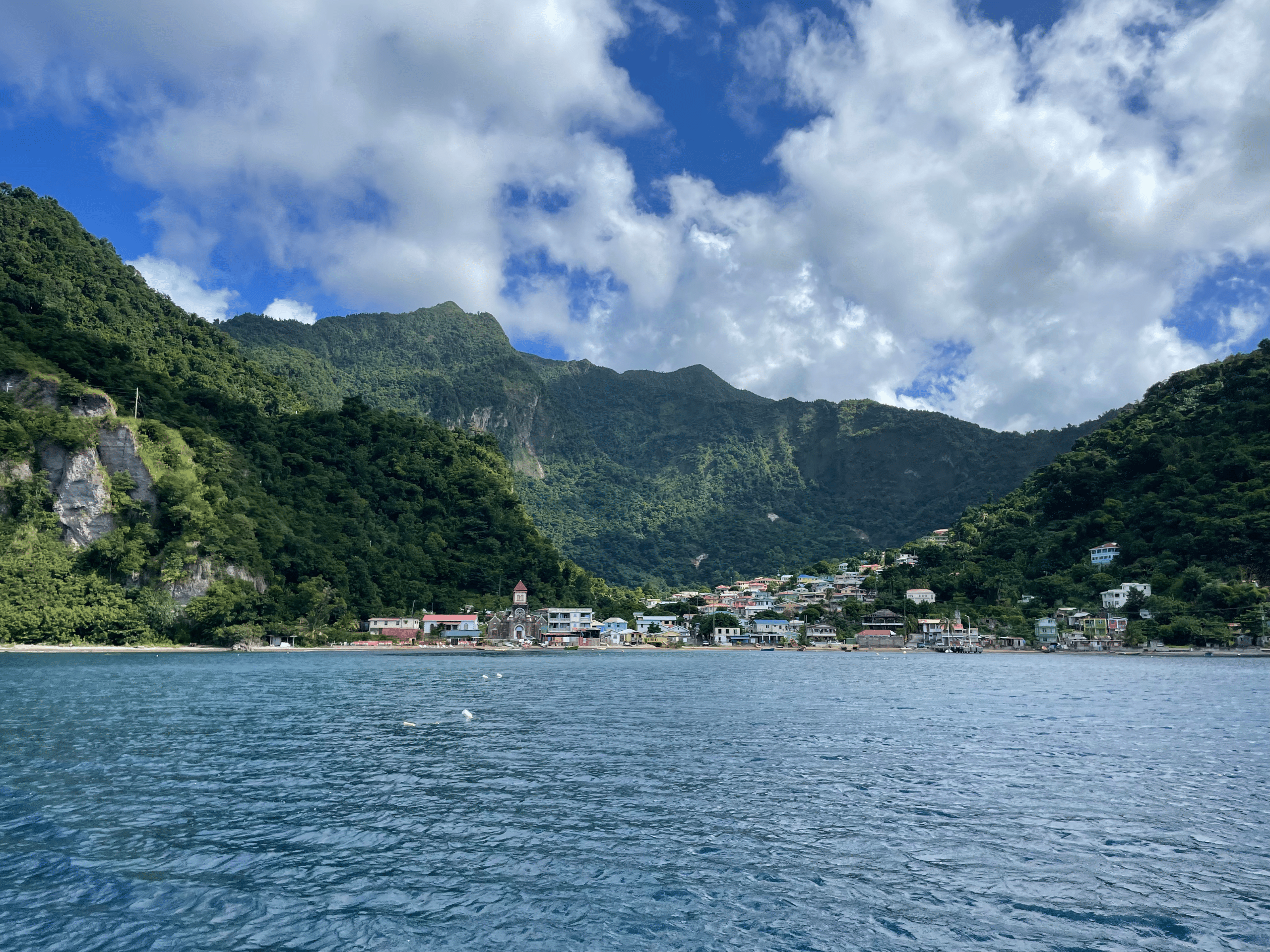
Known as the “Nature Island” of the Caribbean, Dominica offers a unique diving experience shaped by volcanic activity. Divers can explore diverse marine life, dramatic pinnacles, geothermal vents, and steep walls, creating a raw underwater landscape unlike anywhere else in the region.
Diventures Dive Professional, Terri Bernard, shared, “For me, Dominica offers everything a diver could want. It has incredible marine life, unforgettable whale encounters, fascinating history, pristine reefs, and some of the most beautiful scenery in the Caribbean. It remains my favorite dive destination and a place I hope to return to many times in the future.”
Quick Facts
- Best For: Nature lovers, volcanic diving, and advanced photography
- Top Dive Sites: Champagne Reef, Scotts Head Pinnacle, Soufriere Pinnacles, and Dangleben’s Pinnacles
- Water Temp: 78–84°F
- Water Visibility: 40–100 feet
- Best Months to Go: November–May
- Skill Level: Beginner to advanced
- What You’ll See: Volcanic formations, sea turtles, reef fish, seahorses, sponges, and sperm whales
Roatán, Honduras
For divers looking to maximize their time underwater, Roatán is hard to beat. Many of the island’s best dive sites are located close to shore, offering easy access to healthy reefs, diverse marine life, and some of the Caribbean’s most beginner-friendly diving.
Quick Facts
- Best For: Reef diving, beginners, and marine life encounters
- Top Dive Sites: Mary’s Place, El Aguila Wreck, West End Wall, and Blue Channel
- Water Temp: 78–84°F
- Water Visibility: 60–120 feet
- Best Months to Go: February–August
- Skill Level: Beginner to advanced
- What You’ll See: Sea turtles, eagle rays, reef sharks, sponges, walls, and coral reefs
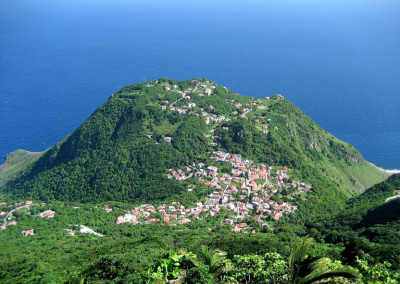
Saba
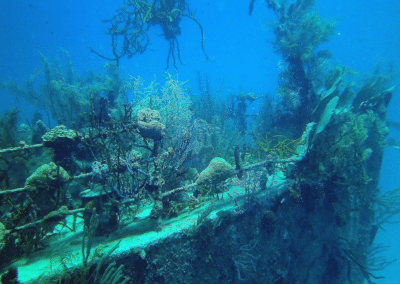
Saba is one of the Caribbean’s hidden gems. It’s known for protected marine parks, volcanic topography, and healthy dive sites. The island is especially famous for dramatic underwater pinnacles that attract large schools of fish and create some of the most unique diving in the Caribbean.
Quick Facts
- Best For: Advanced divers, pinnacle diving, and healthy reefs
- Top Dive Sites: Third Encounter, Twilight Zone, Diamond Rock, and Eye of the Needle
- Water Temp: 78–84°F
- Water Visibility: 80–120 feet
- Best Months to Go: December–May
- Skill Level: Intermediate to advanced
- What You’ll See: Sharks, rays, schooling fish, pinnacles, coral reefs, and volcanic formations
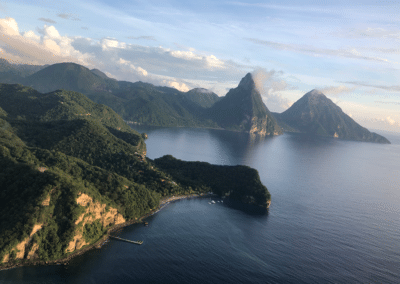
St. Lucia
The same volcanic forces that created St. Lucia’s famous Pitons also shaped its underwater landscape. Divers can explore dramatic walls, pinnacles, and reefs rich with marine life before returning to luxury resorts and some of the Caribbean’s most beautiful scenery.
Quick Facts
- Best For: Couples, scenic diving, and reef exploration
- Top Dive Sites: Superman’s Flight, Fairyland, Anse Chastanet Reef, and Lesleen M Wreck
- Water Temp: 78–84°F (26–29°C)
- Water Visibility: 50–100 feet
- Best Months to Go: December–May
- Skill Level: Beginner to advanced
- What You’ll See: Reef fish, sea turtles, rays, coral reefs, walls, and volcanic formations
Turks and Caicos
For divers who love clear water and dramatic underwater scenery, Turks and Caicos delivers. The islands are widely considered some of the best diving spots in the Caribbean thanks to their spectacular walls, healthy marine ecosystems, and excellent visibility.
Quick Facts
- Best For: Wall diving, underwater photography, and marine life
- Top Dive Sites: Grand Turk Wall, French Cay, Northwest Point, and Double D
- Water Temp: 75–85°F
- Water Visibility: 80–150 feet
- Best Months to Go: November–May
- Skill Level: Beginner to advanced
- What You’ll See: Reef sharks, eagle rays, sea turtles, humpback whales (seasonally), walls, and coral reefs
How to Plan Your First Caribbean Diving Vacation
- Get Scuba Certified
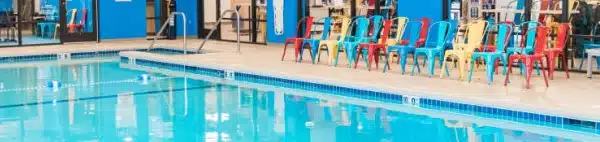
If you’re not already certified, earning your scuba certification is the first step toward exploring the best diving in the Caribbean. Diventures makes it easy to get started with digital learning, classroom instruction, and pool training completed before your trip. From there, you can finish your open water training dives locally, on a certification vacation, or through a referral program while traveling. That way, you can make the most of your time in the Caribbean as a certified diver.
- Choose Your Destination and Timing
Think about your experience level and what type of diving interests you most. Beginners often enjoy destinations such as Bonaire, Roatán, and Cozumel, while advanced divers may prefer Saba, Turks and Caicos, or the Bahamas.
Also consider seasonal factors, water temperatures, visibility, and marine life migrations when planning your trip.
- Book Ahead and Prepare
Many of the Caribbean’s most popular dive destinations are booked months in advance, especially during peak travel seasons. Reserve accommodations, flights, and dive packages early.
Ensure your passport is valid, review luggage restrictions, and decide whether you’ll bring your own gear or what you need to rent.
- Pack Smart and Dive Responsibly
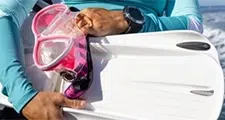
Planning ahead for a dive trip is key. Before you travel, ensure your equipment is serviced and ready to go, and research any gear recommendations for your destination. Looking to travel lighter? Ask your local Diventures team about travel-friendly gear options that help reduce baggage weight without sacrificing performance. Most certification cards are now digital but be sure you can access yours before your trip.
FAQs About Caribbean Diving
Which Caribbean diving destination is best for complete beginners?
Bonaire, Roatán, Cozumel, and Grand Cayman are among the best scuba diving destinations in the Caribbean for beginners. They have calm conditions, excellent visibility, and accessible dive sites.
What marine life can I expect to see in the Caribbean?
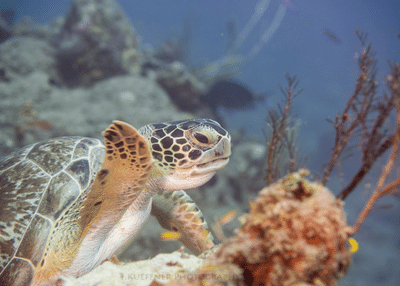
Depending on the destination, divers may encounter sea turtles, reef sharks, eagle rays, nurse sharks, groupers, seahorses, frogfish, dolphins, humpback whales, and countless species of tropical reef fish.
Is it safe to travel during hurricane season?
Hurricane season runs from June through November. Divers can still enjoy excellent conditions throughout much of the Caribbean, but travel insurance is recommended on all dive trips due to unpredictable weather.
How much does a Caribbean diving trip cost on average?
A typical Caribbean dive vacation ranges from approximately $1,500 to $4,500 per person depending on destination, travel dates, accommodations, and diving package inclusions.
Ready to Explore the Best Diving in the Caribbean?
The best diving destination ultimately depends on what you’re looking for, but the Caribbean offers exceptional options for every type of diver.
Get scuba certified or plan your scuba trip at a top diving destination with Diventures today!